
I Spent Years Trying to Blend In Before Realizing I Was Hiding My Greatest Strengths
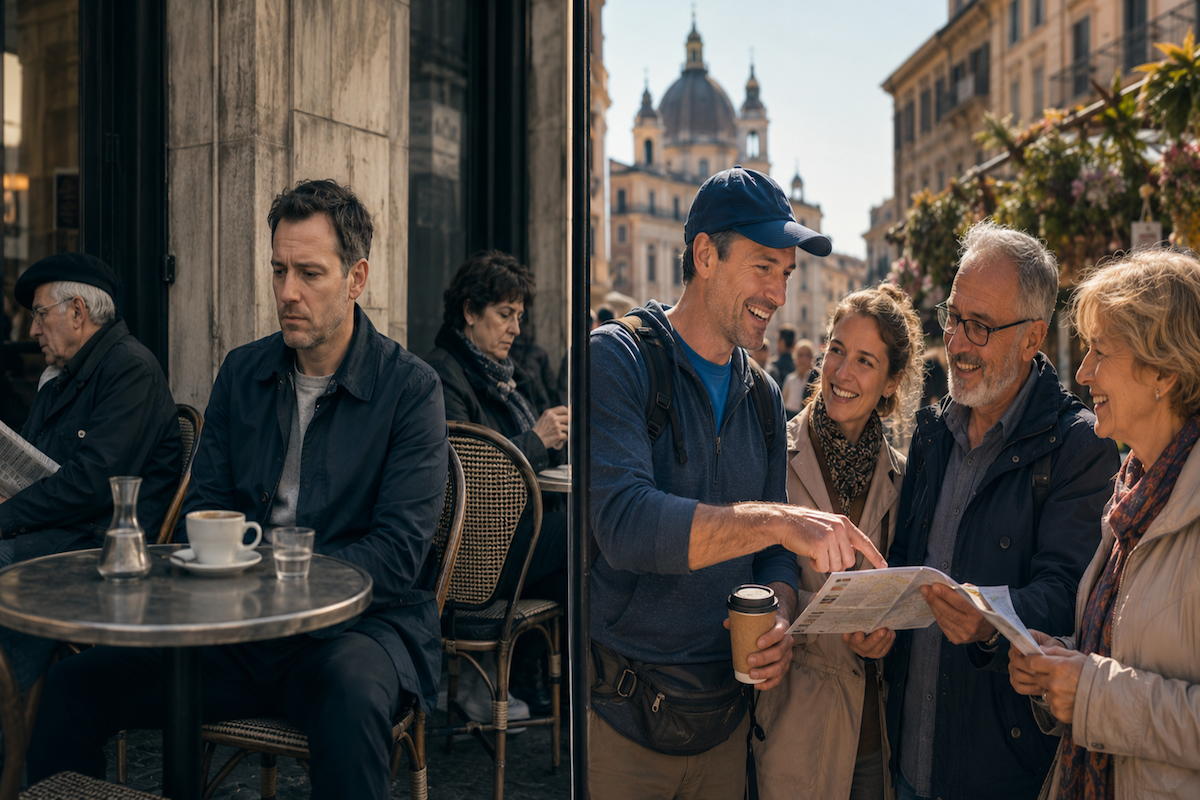
The first few years I lived in Ukraine, I treated being American like a personality flaw I needed to fix.
I smiled less. Asked fewer questions. Tried to sound less enthusiastic. After every awkward conversation, I’d quietly file away another little piece of myself, convinced I’d finally figured out how to blend in.
Funny thing was, the harder I tried to stop looking American, the harder life seemed to get.
It took years living in Ukraine, France, Spain, Albania, and Georgia before I finally noticed something that should’ve been obvious.
Some of the very habits I’d been trying to lose were the same ones that helped me build friendships, solve problems, and feel at home almost anywhere.
Turns out, fitting in wasn’t about becoming less American.
It was about knowing which parts of being American were actually worth keeping.
Does any of this strike a chord?
When parts of a story like this feel familiar, the real question might be much bigger than one person’s experience.
Whether you dream of moving abroad or you’re already overseas and having second thoughts, Expats Planet is built around one question:
Is life abroad really for me?
That question may hit much closer to home, or abroad, than you think.
1. I Thought My American Optimism Made Me Look Naive
When I first moved to Kyiv, I quickly noticed that my American optimism didn’t always land the way I’d expected. Every time I said, “It’ll all work out,” I’d get a look that suggested I still had a lot to learn.
After enough visa paperwork, apartment problems, and long days wandering government offices, I started sounding more cynical just to fit in. It almost felt like optimism was something only inexperienced, clueless foreigners carried around.
Then life kept proving me wrong.
The days I stayed hopeful were usually the days I found a solution. A landlord changed his mind. Someone knew somebody who could help. A problem that looked impossible on Monday somehow disappeared by Friday.
Living abroad taught me that optimism isn’t about pretending everything’s perfect. Sometimes it’s the only reason you keep going long enough to find the answer.
The American Advantage: Stay realistic, but never surrender your optimism. Bureaucracy is temporary. Giving up lasts much longer.
2. I Tried to Stop Talking to Strangers
After spending time in France and later Ukraine, I noticed people didn’t chit-chat with strangers the way we often do in the U.S.. So naturally, I stopped too.
Big mistake.
Some of my best experiences abroad started because I ignored my own rule. A casual conversation turned into dinner invitations in Spain.
A chat over coffee in Albania led to recommendations I’d never have found in any guidebook.
One friendly conversation in Ukraine introduced me to people I still keep in touch with today.
Funny enough, nobody ever complained that I was too friendly.
They appreciated that I was genuinely interested in them.
Living abroad reminded me that friendliness only becomes annoying when it’s fake. Genuine curiosity and a smile still work in almost every language.
The American Advantage: Don’t confuse being reserved with being welcoming. One conversation can change your entire experience in a country.
3. I Stopped Asking Questions Because I Didn’t Want to Look Like a “Typical American”
For a while, I became afraid of asking questions.
I’d already heard enough jokes about loud, clueless Americans that I figured staying quiet was the safest option. Better to nod than risk sounding ignorant.
That strategy didn’t last very long.
The more questions I asked, the more people opened up. Asking why Ukrainians celebrated certain holidays, why dinner started so late in Spain, or why French cafés worked the way they did usually sparked fascinating conversations instead of eye rolls.
Most people don’t expect foreigners to know everything.
They appreciate someone who actually wants to learn.
Looking back, pretending I understood everything made me look far more foolish than simply admitting I didn’t.
The American Advantage: Curiosity earns respect far faster than pretending you’ve already got all the answers.
4. I Tried to Hide My Confidence
Growing up in the U.S., you’re encouraged to speak up. Share your opinion. Sell yourself a little. After living abroad for a while, I started doing the opposite because I didn’t want to come across as another arrogant Yank.
That worked… until it didn’t.
Finding apartments, negotiating rent, teaching English, and dealing with endless paperwork all required confidence. Nobody was going to fight those battles for me.
Eventually I realized confidence wasn’t the problem.
The problem was forgetting to pair it with humility.
You can be confident without acting like a know-it-all. People respect that combination far more than either extreme.
The American Advantage: Speak with confidence, listen with humility, and you’ll rarely go wrong.
5. I Tried to Think Like Everyone Else Instead of Solving Problems
Living abroad taught me that many people simply accept the system, even when it makes no sense. Meanwhile, Americans have a habit of asking, “There has to be a better way.”
For years, I tried to suppress that instinct because I thought questioning things made me look arrogant.
Instead, it often solved problems.
Whether it was finding work online while living overseas, figuring out confusing residency paperwork, or discovering a shortcut through local bureaucracy, my willingness to keep searching usually paid off.
Living abroad rewarded persistence far more often than blind acceptance.
Some rules deserve respect.
Some deserve another question.
The American Advantage: Never lose your ability to solve problems. It might become your greatest survival skill abroad.
6. I Almost Lost the Best Part of Being American
The biggest surprise wasn’t discovering which habits to lose.
It was realizing which ones deserved to stay.
Some of my favorite memories abroad came from introducing strangers to each other, helping new expats settle in, encouraging someone who was struggling, or simply inviting someone for a pint who looked like they needed a friend.
Nobody ever thought about where I was from.
They thought about how nice it was to have someone to talk to.
Trying to erase every trace of being American would’ve meant losing the part of myself that connected most easily with other people.
Looking back, that would’ve been the biggest mistake of all.
The American Advantage: Keep the habits that make life richer for both you and everyone around you.
The Goal Was Never to Become Less American
Living abroad changed me more than I ever expected.
Some American habits needed a little polishing. Others deserved to disappear completely. A surprising number simply needed better timing.
After years in Ukraine, France, Spain, Albania, and Georgia, I stopped measuring success by how well I blended in. I started measuring it by how authentic I could be while respecting the people and cultures around me.
That’s a very different goal.
You don’t have to erase your identity to become a good traveler or a successful expat.
Sometimes your greatest strength is knowing which parts of yourself are worth taking wherever you go.
So now I’m curious.
Which American habit have you tried to lose abroad, only to realize later it was one of your greatest American advantages?
Life abroad is incredible. I never get tired of writing about it.
Sometimes though, one story opens the door to a much larger question:
“Is life abroad really for me?”
The Expat Backroom gives you the more candid, personal layer behind my public stories. Is Life Abroad Really For Me? is the guide that helps you think through that question for yourself. A Private Conversation lets you talk through your own situation with me directly.
The Expat Backroom
A quick note: I’ve added a private Expat Backroom section to the Substack version of this piece.
The public article here is complete, but the Backroom is where I add the more candid version behind selected stories: the more personal story, what I left out, what I think really happened, and the sharper life-abroad lesson underneath it.
Read about The Expat Backroom on Substack here.


David Peluchette is a Premium Ghostwriter/Travel and Tech Enthusiast. When David isn’t writing he enjoys traveling, learning new languages, fitness, hiking and going on long walks (did the 550 mile Camino de Santiago, not once but twice!), cooking, eating, reading and building niche websites with WordPress.