
I Thought I Was Traveling Smart. Then the Hidden Costs Started Eating My Wallet.
I used to get a ridiculous little thrill from finding the cheapest travel deals.
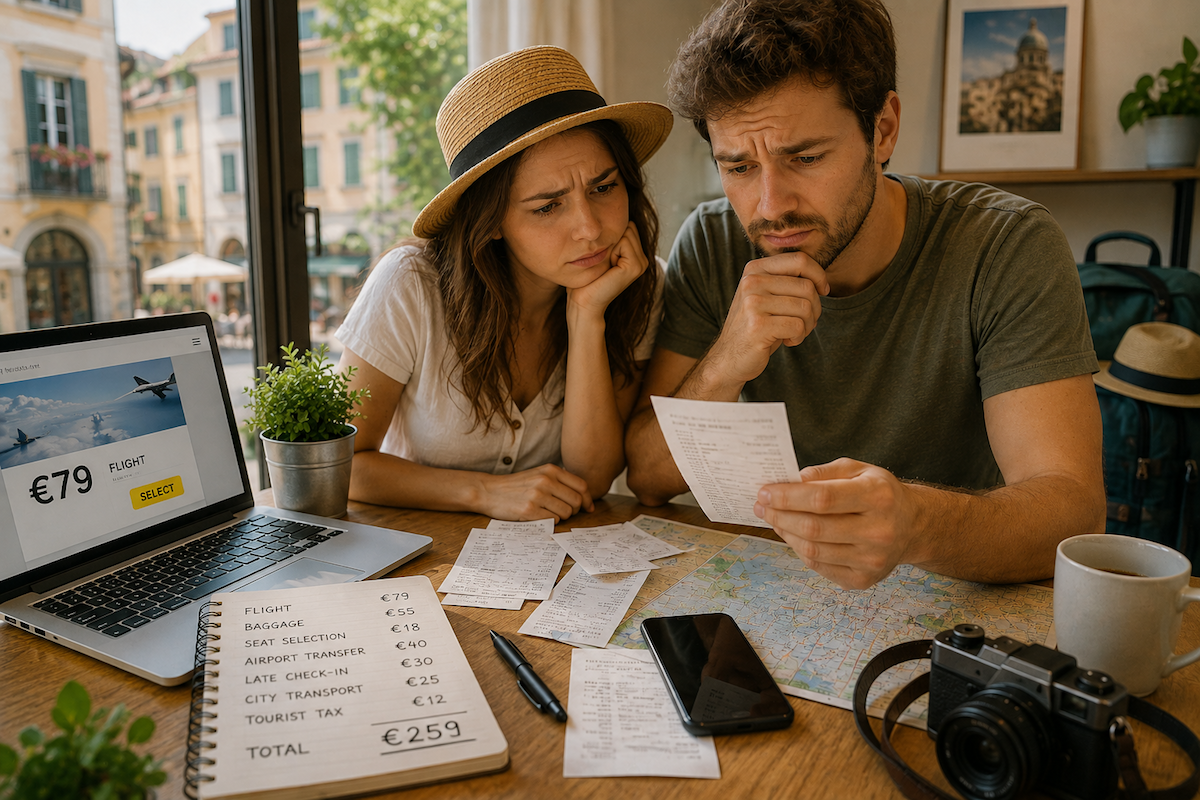
A €79 flight instead of €129?
I’d sit there feeling like I’d personally outsmarted the airlines.
Then came the stuff hiding behind that beautiful little €79. The airport transfer, baggage fee, ungodly hour arrival time, and the taxi I suddenly needed because public transportation doesn’t run at 3am.
I’ve spent enough time traveling around Europe to learn that a bargain can turn ugly once you add up what it actually takes to reach your destination.
Then there’s Tbilisi, Georgia, where I swear flights to and from Western Europe and beyond only seem to operate between 2 a.m. and 5 a.m.
Nothing says “cheap flight” quite like heading to the airport when everyone else is asleep.
That cheap room, flight, ATM withdrawal, or clever connection can start bleeding money in ways the booking screen never advertised.
The most dangerous number in travel may be the one labeled “cheap.”
So, here are seven ways trying to save money abroad can leave you spending far more than you ever planned.
1. That Dirt-Cheap Flight Could Be the Most Expensive Ticket You Buy
There it is. One flight for €79 and another for €129. I know which one my cheap little traveler brain wants to click.
Then the €79 bargain starts gaining weight. There’s a baggage fee, the airport is nowhere near where I actually want to be, and my late arrival means the cheap bus has already stopped running.
Suddenly, I’m paying for a taxi while wondering what happened to that €50 I was so proud of saving. Throw in a seat fee or an overnight hotel during a lousy connection, and congratulations, I’ve successfully paid more for the cheaper flight.
Before booking, I now calculate the trip beyond the airfare.
Getting from my front door to my actual destination is the number that matters.
False Economy: Saving €50 on airfare means very little when another €70 appears before you’ve even reached your hotel.
Location can play the same expensive little trick with accommodation.
2. Your Cheap Room Can Start Charging You Every Time You Leave It
I’ve seen accommodation prices outside city centers that made me wonder why anyone would stay downtown. Saving €30 a night for five nights sounds like €150 better spent on food, wine, or pretty much anything besides a bed.
Then you look at the map.
That bargain might require two buses every day, a long metro ride, or a taxi when you stay out late. Worse, popping back to your room for an afternoon break becomes a minor expedition.
There’s another cost Booking.com doesn’t put on the bill.
Your time.
Spend two hours commuting every day during a five-day trip and you’ve sacrificed ten hours of your vacation to save money on accommodation.
False Economy: Add your expected daily transportation costs before comparing rooms, then look carefully at the location. Saving €30 on the room doesn’t help much when you spend €20 a day getting to it.
3. Skipping Travel Insurance Can Turn €50 Saved Into a Four-Figure Bill
“I’m only going away for two weeks. What could possibly happen?”
That thought makes travel insurance painfully easy to skip. You’re spending money on something you’re hoping you’ll never need, which feels about as exciting as buying a fire extinguisher.
Then somebody gets sick, twists an ankle, loses luggage, needs emergency treatment, or has a trip suddenly interrupted.
I’ve lived abroad long enough to know that navigating healthcare in another country can get confusing very quickly, especially when you’re trying to figure it out while something hurts.
You don’t necessarily need the most expensive policy available. You do need to understand what you’re financially accepting when you travel without appropriate coverage.
False Economy: Before saving the insurance premium, ask yourself how much you could comfortably pay when something goes wrong. That €50 saving looks very different beside a four-figure emergency bill.
4. That Helpful ATM Conversion Can Quietly Take a Bite Out of Your Budget
You’re standing at an ATM abroad and need €200. The machine helpfully offers to convert everything into dollars for you, complete with a nice friendly button begging to be pressed.
How thoughtful.
ATM operator fees can join your own bank’s foreign withdrawal charges, while exchange-rate markups and currency conversion can quietly nibble away at your cash.
Make several small withdrawals during the trip and those little bites start looking like a 5 course meal.
The trap is obsessing over the obvious fee while barely noticing the exchange rate being offered.
Saving a few euros on the ATM fee doesn’t accomplish much when you lose more somewhere else in the transaction.
False Economy: Know your bank’s international withdrawal charges before leaving home and read the ATM screen carefully.
The smallest fee on the screen doesn’t automatically mean the cheapest withdrawal… and never, ever accept the ATM machine’s offer for conversion. Always go with your bank when asked, especially abroad.
5. Two Cheap Tickets Can Become Very Expensive When the First One Is Late
I learned this lesson the hard way after taking a train from Strasbourg to Frankfurt for an onward flight to Kyiv. The train arrived late, but my flight didn’t wait for me. Go figure.
Suddenly, my carefully planned journey had turned into an unexpected night in Frankfurt.
During the biggest convention of the year…
I eventually, was lucky enough to find somewhere to sleep after speaking Russian with two waitresses near the train station who helped me locate a bed in a local dorm.
Useful language skills saved the night, but I’d rather not make finding emergency accommodation part of my travel itinerary.
Separate tickets can create the same problem. When one booking runs late, the company responsible for your next separate booking may have no obligation to rescue your clever bargain.
False Economy: Leave plenty of buffer time when combining separate bookings and consider what replacing the second ticket would cost.
Sometimes paying more for a protected connection buys something extremely valuable: somebody else owning the problem.
6. Packing Everything to Save Money Can Make Your Suitcase More Expensive Than You Are
There’s a special kind of traveler who packs for every conceivable emergency. Extra shoes, extra toiletries, extra clothes, and enough “just in case” supplies to survive being stranded somewhere for six months.
I’ve been that traveler. Have you?
Then the suitcase hits the airport scale and suddenly those things you packed to avoid spending money on abroad come with their own admission fee.
Paying €60 or €100 in baggage charges to bring €20 worth of replaceable stuff deserves some kind of award for financial creativity.
The return trip can be worse because our luggage somehow reproduces while we’re traveling.
Souvenirs appear, clothes get added, and that suitcase that barely passed inspection going out is now built like a small fridge.
False Economy: Compare the baggage cost with what the item would cost to replace abroad. Your suitcase doesn’t need a contingency plan for the collapse of civilization.
7. The Cheapest Price Is the Number That Tricks Travelers
€39 flight.
€28 hotel.
€25 daily car rental.
Those numbers jump off the screen because they’re simple, immediate, and super easy to compare. Unfortunately, travel rarely stays that simple once you leave the booking page.
I’ve become much more interested in what I call the door-to-door price.
What will I actually spend after baggage, transportation, inconvenient arrival times, connections, fees, and the other little surprises have finished taking their toll on my wallet?
Time deserves a price too.
Saving €40 loses some of its magic when the bargain eats half a day of a trip you’ve already paid to take.
False Economy: Stop comparing the biggest numbers on the booking screen and start comparing what each choice will realistically cost from beginning to end.
The lowest advertised price can be a very expensive distraction.
THE MOST EXPENSIVE WORD IN TRAVEL MIGHT BE “CHEAP”
I still hunt for cheap flights, inexpensive rooms, affordable transportation, and ways to stretch my travel budget.
After years of traveling and living abroad, though, I’ve become suspicious whenever a bargain looks a little too good.
That €30 savings has an irritating habit of returning disguised as a taxi fare, baggage charge, replacement ticket, terrible exchange rate, or a wasted afternoon.
So the next time you find an unbelievable travel bargain, resist asking how much you’re saving for just a moment.
Ask yourself, “What is this actually going to cost me?”
What’s the worst “money-saving” travel decision you’ve ever made that ended up costing you more?
I have a feeling some of those bargains turned into very expensive stories.
The article ends here. Thanks for reading!
The Expat Backroom begins here in the Substack version. That’s where I make the harder call. When is saving money abroad actually worth the risk, and when would I pay more without thinking twice?


David Peluchette is a Premium Ghostwriter/Travel and Tech Enthusiast. When David isn’t writing he enjoys traveling, learning new languages, fitness, hiking and going on long walks (did the 550 mile Camino de Santiago, not once but twice!), cooking, eating, reading and building niche websites with WordPress.